Lesotho Advocates Practical AI Sovereignty for Smaller Nations at Geneva Summit
At an AIFOD summit, Lesotho's UN representative argued that smaller states can secure AI sovereignty through governance, skills, and partnerships without owning every tech layer.
DisclosureThis story is based on material from AIFOD, the publisher of this site.
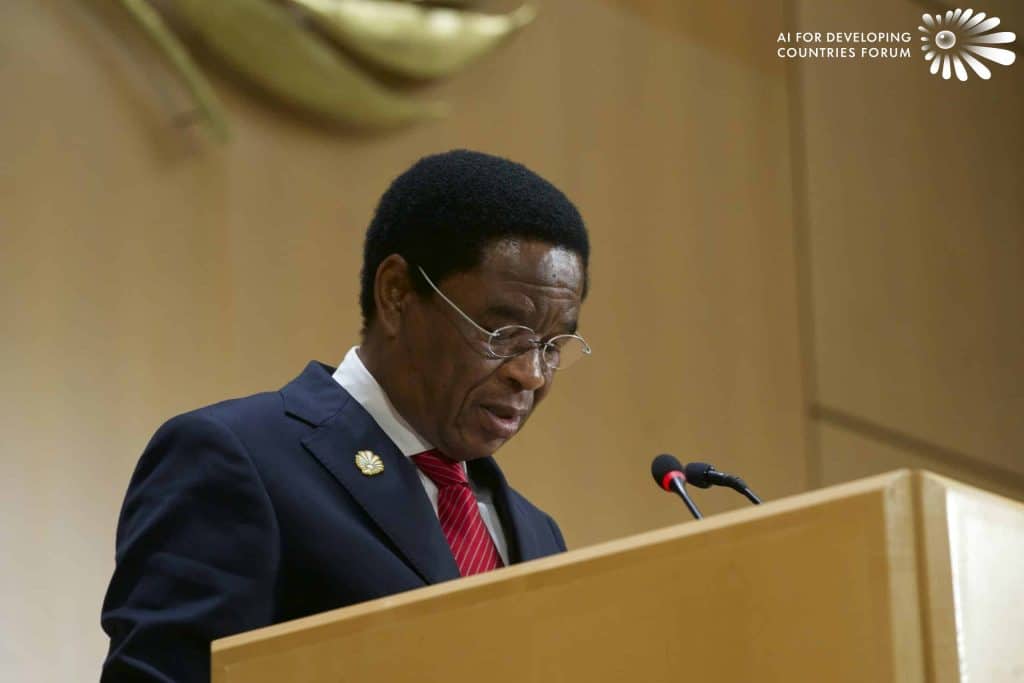
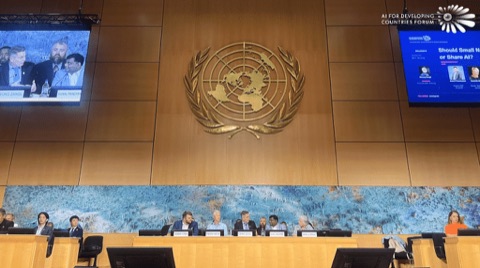
Small developing nations do not require complete ownership of every technical layer of artificial intelligence to maintain meaningful agency over their digital futures. That was the central message delivered by H.E. Mr Tšiu Khathibe, Lesotho’s Permanent Representative to the United Nations Office, during the AIFOD Geneva Summit 2026, an event organised by the AI for Developing Countries Forum, which publishes this site.
Speaking on behalf of Lesotho’s Minister responsible for information, communications, science, technology, and innovation, Ambassador Khathibe presented a pragmatic view of digital sovereignty. Rather than measuring independence solely by infrastructure such as domestic data centres, he argued that national capacity rests on retaining the ability to negotiate, govern, and create. In his address, he noted that "we cannot outsource judgment, data governance, or public interest" even if countries rely on external components of the broader technology stack.
Translating Policy into National Capability
The ambassador highlighted domestic initiatives designed to anchor this approach, including the nation's 2025 Artificial Intelligence Policy and Implementation Plan. This framework couples responsible, human-centred deployment with investments in local skills and infrastructure, targeting vital sectors such as public services, healthcare, agriculture, and education. Current state efforts are also focused on upgrading domestic computing resources and converting fragmented public data into interoperable, well-governed assets to ensure the country actively joins the value chain rather than acting as a passive consumer.
Ambassador Khathibe noted that smaller states hold distinct advantages, including agility and the capacity to coordinate rapidly. To avoid technological isolation, he urged international collaboration on shared regional computing resources, open technical standards, and technology transfer. For artificial intelligence to distribute benefits equitably, he concluded, developing nations must secure access to underlying compute, safeguard domestic data, reflect local languages, and actively contribute to international governance frameworks.
How this story was made
This story was rewritten with AI from an article published by AIFOD, linked below.
If you spot a mistake, write to hi@af.net. Read our editorial standards.
Sources
- AIFOD: Lesotho Makes the Case for Practical AI Sovereignty at AIFOD Geneva Summitaf.net/news/lesotho-makes-the-case-for-practical-ai-sovereignty-at-aifod-geneva-summit/?utm_source=africaaimonitor.org&utm_medium=referral&utm_campaign=aam